Peptide Guide . Prior to opening, allow the secured vial to reach space temperature level to stay clear of condensation. This straightforward action helps protect against internal wetness buildup, a leading source of peptide destruction [5] For secure peptide storage, constantly decrease open-vial exposure time and reseal containers immediately. Reconstituted peptides need to be stored at 2-- 8 ° C( conventional refrigerator temperature) in the back of the primary compartment. Never freeze reconstituted peptides, as ice crystal formation damages the peptide framework. Usage within the compound-specific timeframe-- normally 14-- 56 days depending upon the peptide. When taking a trip with injectable peptides, use a shielded traveling cooler with ice bag to keep the drug chilled. Freeze the ice packs in advance and pack them with your peptide vials right prior to leaving. Quality colders usually preserve the correct temperature level for hours with daily cold pack revitalizing. If your peptide develops a gel-like mass Peptide Research rather than liquifying, the concentration may be too expensive. Adding more water decreases the concentration and commonly solves the problem. This is why beginning with a lower concentration target offers flexibility. The peptide hydrolysis and amino acid metrology steps are mostchallenging during AAA, and, consequently, the most vulnerable to predisposition. Because of this, qualitycontrol initiatives in routine AAA ought to concentrate on these steps. The efficiency ofhydrolysis can be affected by the amino acid series of the peptide, as neighboringeffects of surrounding amino acid side chains modify the efficiency of the hydrolysisreaction. Signs include enhancing soreness, heat, and pain over time. This requires clinical interest, not just method adjustment. Soreness, swelling, or irritability at shot sites can indicate several issues associated with peptide handling.
Special Delivery Situations
The advice most likely originated from healthy protein biologics (like monoclonal antibodies), where hostile anxiety can trigger gathering and denaturation. However many research study peptides are much smaller sized molecules without intricate tertiary structures to disrupt. This section collects any type of data citations, data accessibility statements, or extra products consisted of in this article.Services & Products
Constantly follow your Biotech Industry pharmacologist's guidelines for handling and storage space. The majority of BAC water is kept at regulated room temperature unless your bottle's tag states otherwise. Duplicated freeze-thaw cycles can significantly weaken peptide security. For long-term preservation beyond 6 months, − 80 ° C storage space supplies premium stability defense. Additional ion-exchange steps are needed to make the acetate salt or HCL salt form peptides. Some acidic peptides, consisting of Asp, Glu, phosphor team, or sulfotyrosine, can form salts with bases and may be given as ammonium salts.- Freeze-dried peptides might look secure, but they continue to be breakable.Once solvent is included, leave the vial for 5 to 15 mins.Some solvent systems incorporate bacteriostatic water with 0.9 percent sodium chloride, supplying both preservative and saline elements.Really hardly ever, particular peptide sequences need hours to completely liquify.Added tops suggest contaminations, which could consist of synthesis byproducts, truncated sequences, or destruction items.Carryover in sample preparation can originatefrom re-using pipette ideas to move peptide solutions between vials or indispensing aliquots.
What negates peptides?
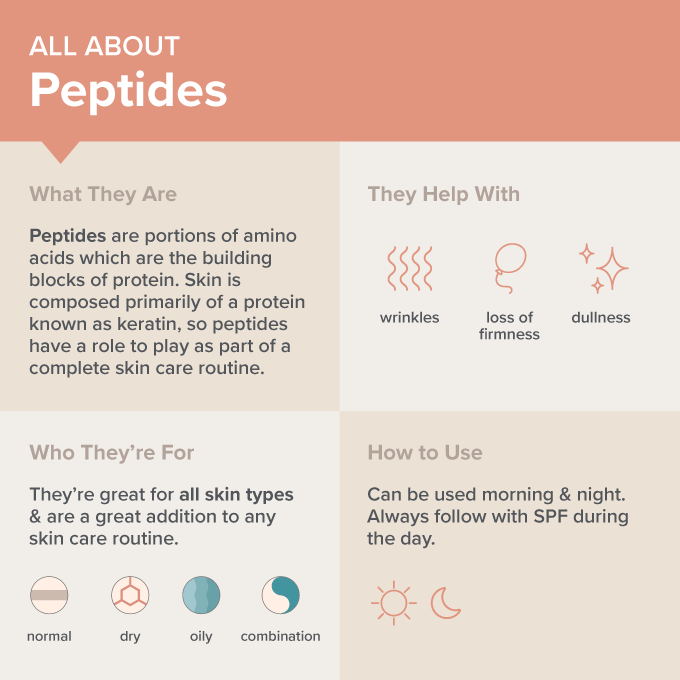
Salicylic acid''s scrubing action might undercut the peptides, decreasing their skin-repairing advantages. Referral: To avoid any communication, use salicylic acid and peptide items at different times. For example, incorporate salicylic acid in your early morning routine and peptides in your evening routine.